Tips for Controlling Beginner Motorcycle Load Balance Especially for Women
Riding a motorcycle offers an unparalleled sense of freedom and adventure. However, for beginners, mastering the art of two-wheeled travel comes with a steep learning curve. One of the most critical, yet frequently overlooked, skills for novice riders is managing the motorcycle’s load balance.
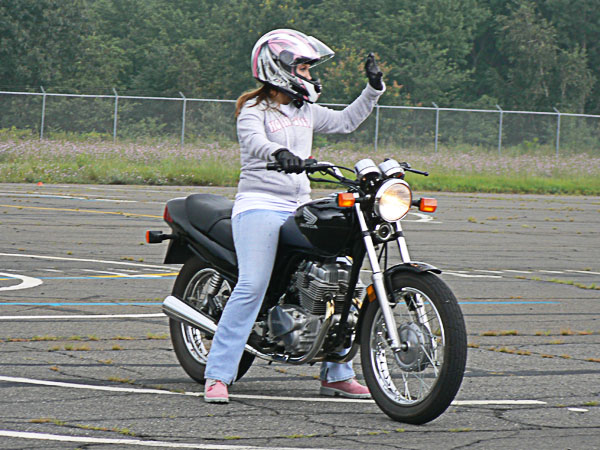
For female riders, managing load balance can present unique physical considerations. On average, women may have a lower center of gravity, different upper body strength ratios compared to men, or a shorter inseam relative to standard motorcycle seat heights. When you add cargo—such as backpacks, panniers, or daily groceries—the bike’s handling characteristics change dramatically.
Understanding how to control and distribute weight properly is essential for safety, stability, and confidence on the road. This guide provides practical, actionable tips to help beginner female riders master motorcycle load balance.
Understanding How Weight Shifts a Motorcycle
Before loading up your motorcycle, it is crucial to understand how additional weight alters the physics of your ride. A motorcycle is engineered to perform best when its weight distribution adheres closely to the manufacturer’s design. Adding a load shifts the center of gravity, which affects three main areas:
- Steering and Handling: Heavy loads placed too high or too far back make the front wheel feel “light,” leading to loose or unpredictable steering.
- Braking Distance: Extra weight increases the momentum of the motorcycle, meaning it will take longer to come to a complete stop.
- Suspension Performance: Excessive weight compresses the rear suspension, altering the bike’s geometry and reducing ground clearance.
By understanding these changes, you can actively compensate for them through smart loading techniques and conscious riding adjustments.
Golden Rules for Smart Cargo Distribution
When it comes to carrying items on a motorcycle, where you put the weight matters just as much as how much weight you are carrying. Adhering to proper placement rules keeps the bike stable and predictable.
Keep It Low and Central
The number one rule for motorcycle cargo is to keep the weight as low and as close to the bike’s center of gravity as possible. Saddlebags or panniers are excellent for this because they place the weight low on either side of the rear wheel. Avoid stacking heavy items high on a rear luggage rack or inside a tall top-case, as this creates a pendulum effect that can pull the bike side to side during cornering.
Balance the Sides Evenly
If you are using dual saddlebags, ensure that the weight is distributed equally between the left and right sides. An uneven load forces you to constantly lean the motorcycle slightly to one side just to travel in a straight line. Use a simple luggage scale or judge by feel to make sure your left and right bags weigh roughly the same amount.
Secure the Load Tightly
Loose cargo is a major safety hazard. If an item shifts suddenly while you are taking a sharp turn or braking hard, it can completely disrupt your balance and cause a fall. Use high-quality bungee cords, cargo nets, or cam-buckle straps to tie everything down tightly. Before setting off, give your luggage a firm shake—if it moves, tighten the straps.
Rider Body Mechanics and Balance Tips for Women
Controlling a loaded motorcycle is not just about the luggage; it is also about how you position and manage your own body weight.
Optimize Your Riding Posture
For women working with different muscle distributions, relying on proper posture rather than raw upper-body strength is the key to control. Keep your core muscles engaged and hold the handlebars with a relaxed, flexible grip. Hug the fuel tank gently with your thighs. This locks your lower body to the chassis, turning you and the motorcycle into a single cohesive unit, which makes balancing a heavy load much easier.
Managing the Stop: Foot Placement
One of the most intimidating moments for beginner riders with a loaded bike is coming to a complete stop. Additional weight makes the bike want to tip over faster if it leans even slightly at a standstill.
As you decelerate, ensure your motorcycle is completely straight. If you have a shorter inseam and cannot easily place both feet flat on the ground, practice the “tripod position.” Keep your right foot firmly on the rear brake and slide your pelvis slightly to the left so your left foot can plant flat and securely on the pavement.
Avoid Heavy Backpacks
While a backpack seems like the easiest way to carry things, it is often the worst choice for beginners. A heavy backpack raises your personal center of gravity, strains your shoulders, and causes rapid fatigue. If you must use a backpack, keep it light and use chest or waist straps to keep the weight from shifting against your back.
Conclusion
Mastering load balance is a milestone that transforms a hesitant beginner into a confident, capable motorcyclist. For women entering the riding community, understanding the interplay between cargo placement, bike physics, and personal body mechanics eliminates the intimidation factor of handling a heavier machine. By keeping your cargo low, balancing your sidebags, locking your core, and practicing controlled stops, you ensure that your motorcycle remains responsive and stable. Take the time to practice riding with small loads in a controlled environment before hitting the open highway, and remember that patience and proper technique will always triumph over brute strength.